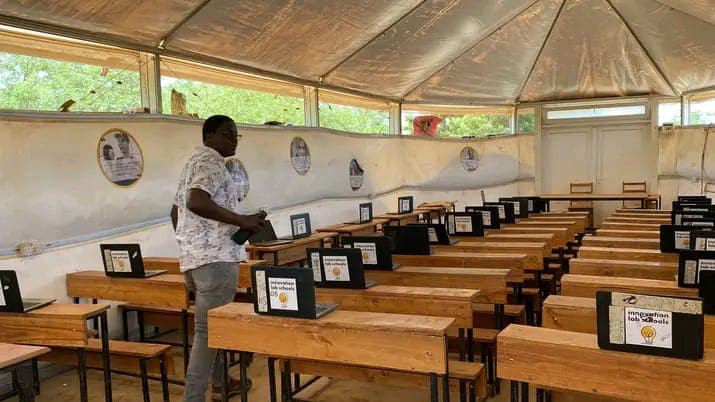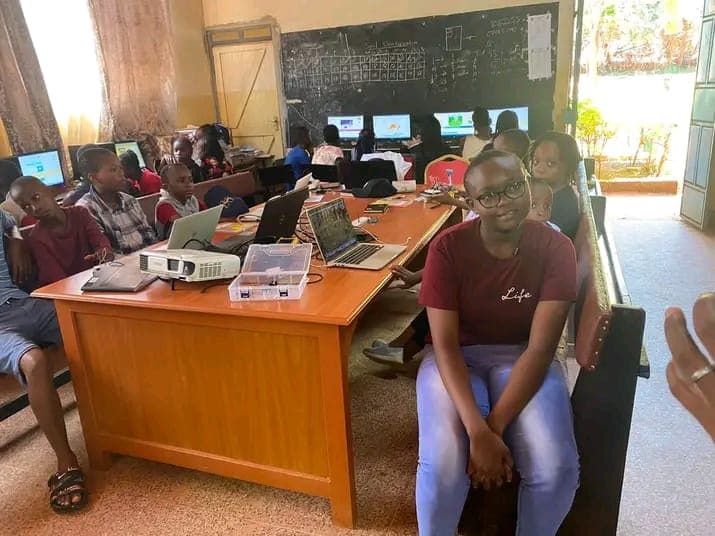
Introductory
Basic Robotics
Mechanisms, simple sensors, and the habit of testing an idea. A first course for children who are new to building.
- Ages
- Ages 6–8
- Format
- Weekly class
Enrollment is open for the current term. Classes meet in Voi and online.
Muru RoboKids
Hands-on robotics, coding and engineering for children and teens. Explore guided projects in Voi, through holiday camps and online across Kenya and Malawi. Adults can build and learn with Robo Studio.

Donation
Help fund robotics kits, learner places and community classes. Choose a one-time gift or recurring support through secure Pesapal checkout.
No academy account needed
Find your starting point
Choose an age and tell us how you would like to learn. Explore a starting point, then speak with admissions about placement.
What parents can expectEnter the learner’s age to see an age-based starting point. Fees, dates and available places are confirmed by admissions.
Compare all learning pathwaysRobotics course groups
These robotics groups provide age-based starting points within the wider programme portfolio. Placement depends on experience, and admissions confirms the right group.
Introductory
Mechanisms, simple sensors, and the habit of testing an idea. A first course for children who are new to building.
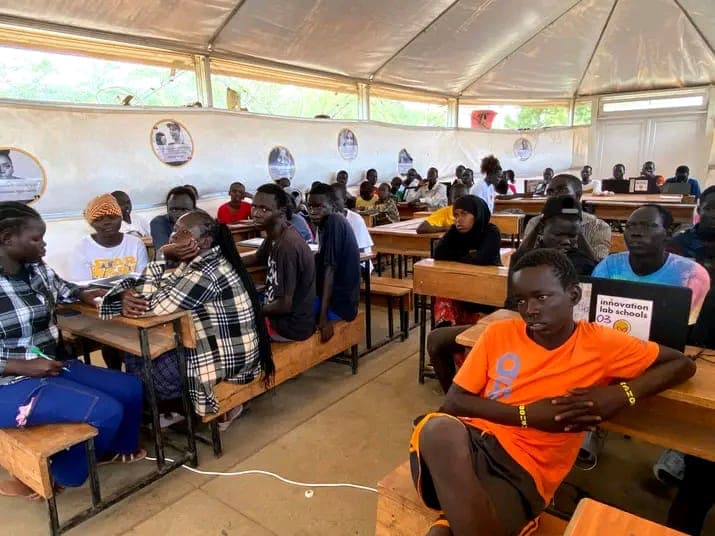
Intermediate
Students write programs that move a robot, then change the code when the result is not what they expected.
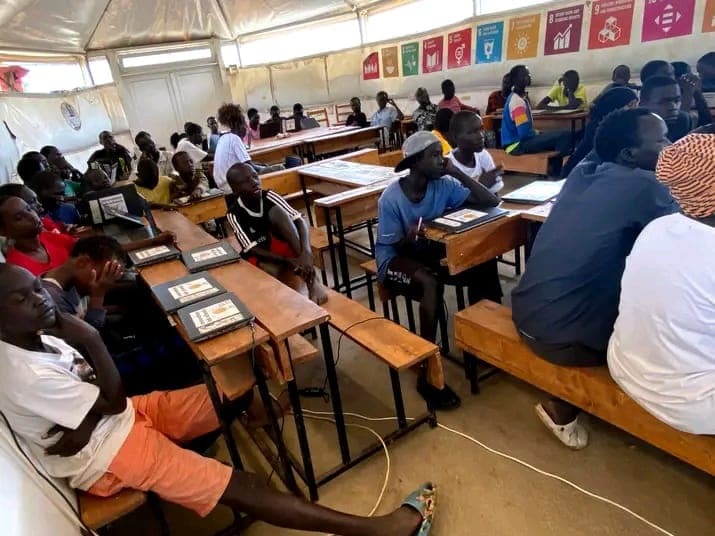
Advanced
Longer builds that combine design, electronics, and programming. Students plan a project and present the result.
Studio
A project you chose, on a classroom kit. You build it, test it, and explain the change. For adults and older students.
About
Muru RoboKids is the education arm of Muru Tech. We teach children in Kenya and Malawi how robots are designed, built, and programmed, with instructors in the room to help when a project stalls.
Students assemble kits, write simple programs, and test what they built. Each class ends with something they can show and explain.
Science, technology, engineering, and mathematics are taught together, so a circuit, a measurement, and a line of code belong to the same project.
Younger students start with mechanisms and sensors. Older students move into programming, design choices, and longer builds.
Why families choose us
Parents come to Muru RoboKids for a class their child will finish, understand, and want to continue. The work is practical, the groups are guided, and the next course is already mapped.
Instructors adjust the task when a child is stuck or ready for the next step.
Projects are built to be finished, demonstrated, and talked about with family.
Courses run from early primary through secondary, so students can continue rather than start over.
Faculty work in robotics, electronics, and software, and they teach from that practice.
Subjects
The list matches what the classes already cover, and what comparable STEM centers publish when they are being specific: robotics, coding, electronics, a first look at artificial intelligence, engineering design, and applied problems.
Build a machine, make it move, and explain why it did.
Instructions a robot can follow, then instructions a student can debug.
Circuits, sensors, and the machines children already live with.
What a machine can decide, and what it cannot.
A problem small enough to test, and a record of what changed.
Farming, health, and moving goods, at a size a child can test.
Explore your possibilities
Discover how coding, robotics, AI and engineering can connect—from a first invention to an independent project.
Discover · Ages 5–7
Playful engineering for small hands and big questions: patterns, movement and making things work.
Proposed pathway · Express interest
Explore pathwayCreate · Ages 8–12
Turn an original story into an animation or game while learning the logic behind every interaction.
Proposed pathway · Express interest
Explore pathwayBuild · Ages 6–16 · grouped by level
Connect code with the real world through mechanisms, sensors and machines that respond to their surroundings.
Ask about current availability
Explore pathwayInvestigate · Ages 13–17
Explore how AI learns from examples, why data quality matters and where human judgement belongs.
Proposed pathway · Express interest
Explore pathwayInnovate · Ages 12–17
Bring design, electronics and code together to prototype a useful response to a local problem.
Proposed pathway · Express interest
Explore pathwayApply · Ages 18+
Develop practical confidence through a project you help choose, build, test and explain.
Ask about current availability
Explore pathwayNew pathways are proposed additions. Admissions confirms launch plans, placement, equipment, dates and fees.
Beyond the classroom
Create a family or adult learner account, enrol in an online course and stay connected to your tutor through the Muru Learning Hub.
Checking your learning account…
Protected course materials and progress tracking.
Live session schedules and course meeting links.
Learner profiles, course fees and access in one dashboard.
Learning in action
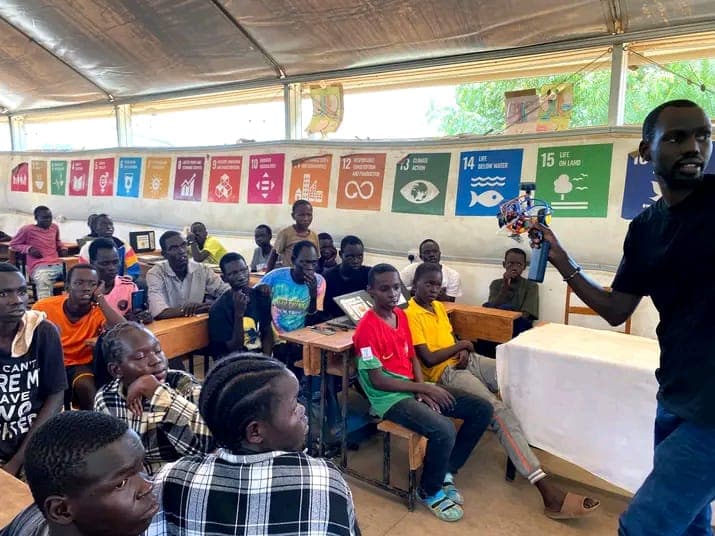
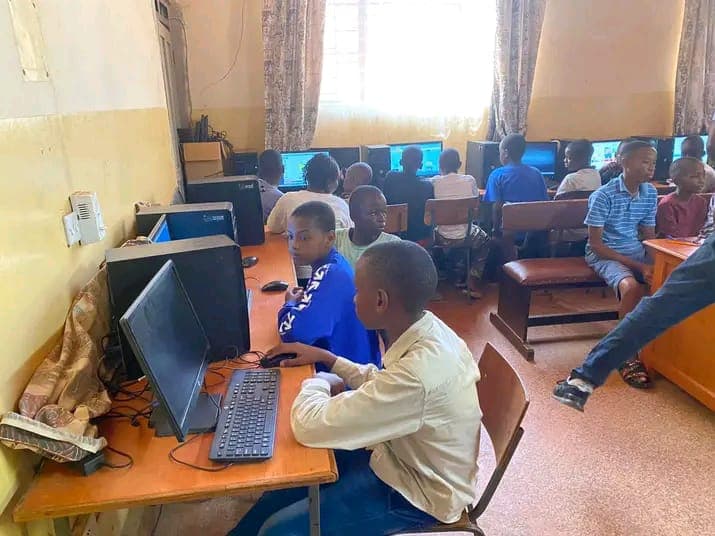
Explore the places we teach and the practical thinking learners develop through robotics.
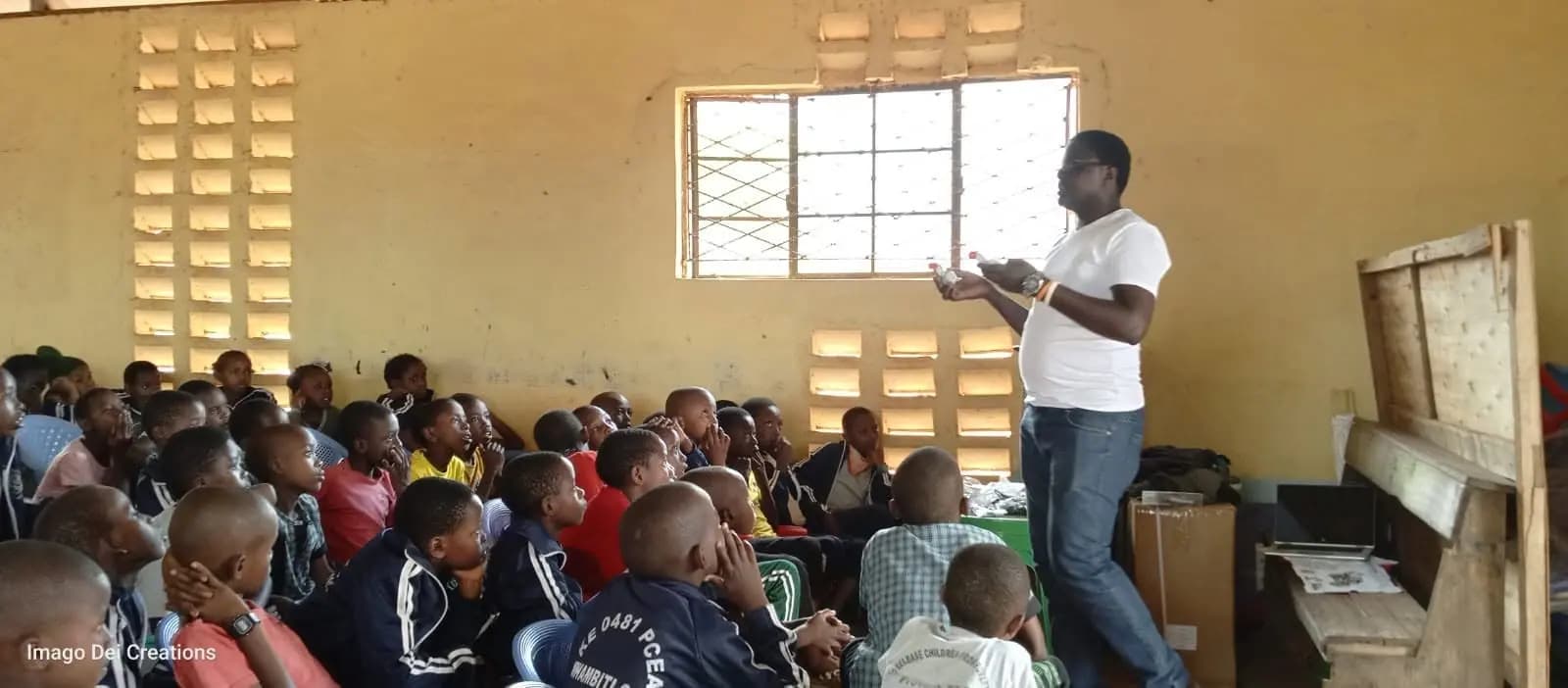
Photo: Imago Dei Creations
Schools can host a robotics cohort or club, with kits and a Muru instructor. Learners build, test and demonstrate their work.
School programmes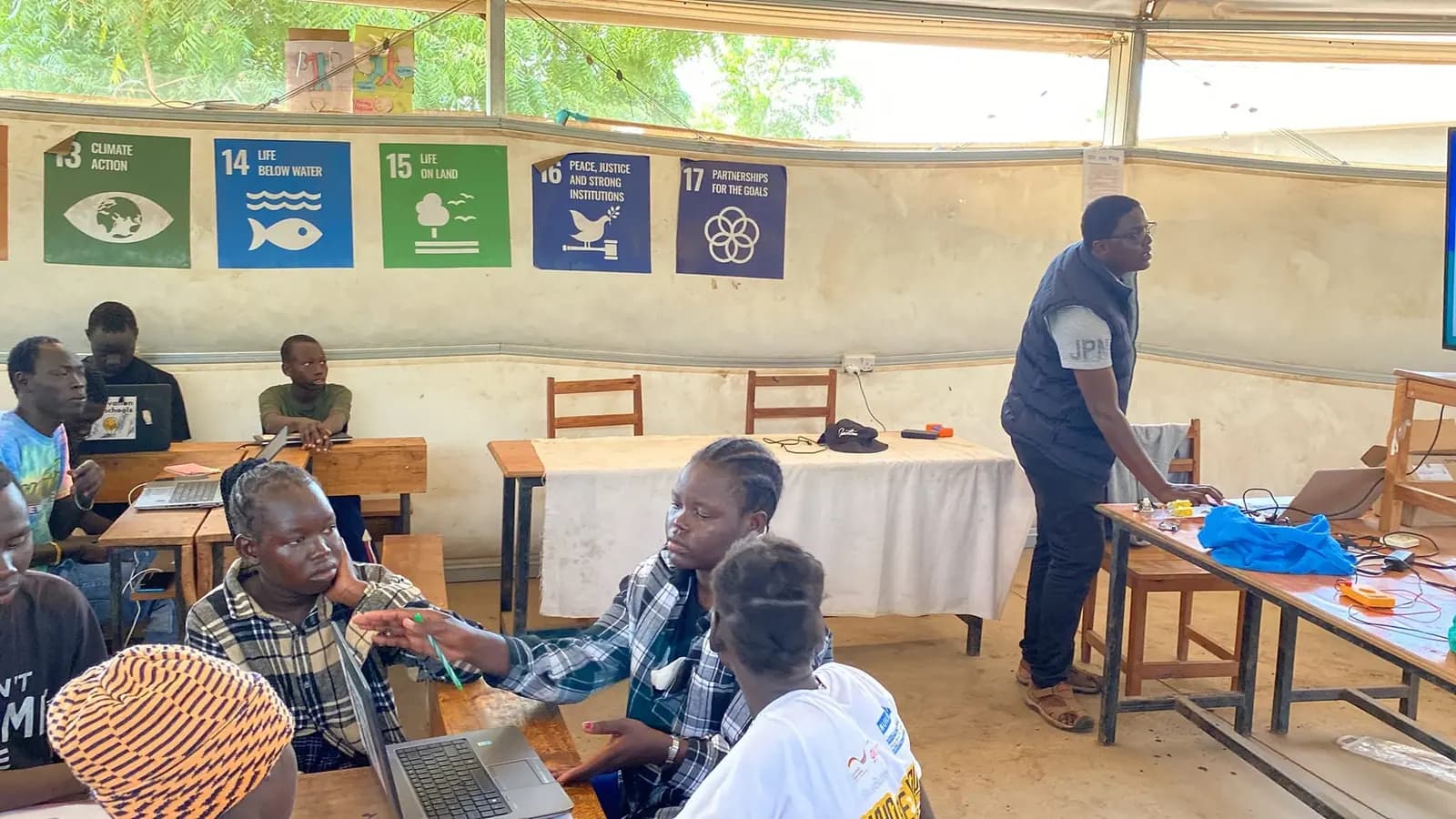
Guided projects give a group something to explore together. Find out how a local host can bring a STEM session to their community.
Community sessionsKeep exploring at home
Explore trusted coding and STEM resources, plus simple activity ideas to discuss with your learner.
Inside the learning experience
Small discoveries, shared challenges and practical projects. Take a closer look at our learners and instructors in action.
Faculty
Classes are taught by practitioners. Students work with the same instructors across a term, so questions carry from one session to the next.

AI and robotics
Teaches artificial intelligence and robotics, and leads the technical direction of the programme.

Robotics
Runs practical builds: mechanisms, wiring, and the debugging that happens when a robot does not move.

Robotics
Works with younger students on project-based lessons that keep the first builds approachable.
Press
Independent coverage of the classes in Voi, from national news and regional broadcasters.
Kenya News Agency
A report on hands-on robotics sessions with students in Voi.
Read the storyCitizen TV
A short segment from a recent program, shared by Citizen TV Kenya.
Read the story
Tsavo Media Network
Classroom footage of students building and testing robots.
Read the story
KTN
A television report on the robotics and STEM programme.
Read the storyHow classes work
Students attend on a set schedule, in Voi or online. Between classes they can return to the project materials. When a term ends, admissions can place them in the course that follows.
Each class ends with a working piece of the project, not a slide deck.
Families can revisit briefs and recordings between meetings.
Admissions confirms the course, the schedule, and the cost before a student starts.
Later courses assume the earlier ones, so students are not repeating the same introduction.
Families
Notes from families whose children have attended a Muru RoboKids course.
“The robotics class gave my daughter a project she wanted to finish. She talks through the problem now, not only the answer, and that has shown up in the rest of her schoolwork.”
Dinnah Nkatha
Parent of a 9-year-old
“Miles comes home describing the robot he worked on and what he would change next time. The instructors explain each step, and he asks to stay for the following course.”
Christine Mutiso
Parent of a 10-year-old
“The schedule worked around school, and the projects were concrete enough that my son could show us what he had done. His confidence in presenting the work has grown with each term.”
Mwakio Mwagandi
Parent of a 15-year-old
Questions
A short set of answers for families, schools, and anyone asking how a class is arranged.
Children aged 6–16, placed in age groups, and Robo Studio for ages 18 and up. Families come to the Voi class, a school hosts a cohort, a family in Kenya or Malawi joins online, a community asks for a short course, or an adult enrolls in Robo Studio. Admissions confirms the fit from the age and what the person has already built.
Each session is a build, a test, and an explanation. The child keeps one project long enough to see it fail and to change one thing. By the end they can show the robot doing the task and say what they changed.
Yes. A host teacher can sit in the sessions and keep the same sequence after the visit. That is support for the club the school already wants. It is not a separate teacher-certificate course.
Write with the school or community, the ages, and what you hope the students finish. Admissions will say whether that matches a class already taught, and how a gift for kits or places would be arranged. The support form saves your enquiry for the team to review. It does not collect a donation payment; online course fees are handled separately through the Learning Hub.
Contact
Write or call with the student’s age and the format you prefer. For a new enrollment, the form is the fastest way to reach admissions.