
Learn/Coding
Coding
Coding comes to life through robotics. Learners write instructions, run them on a machine and discover how a small change can produce a different result.
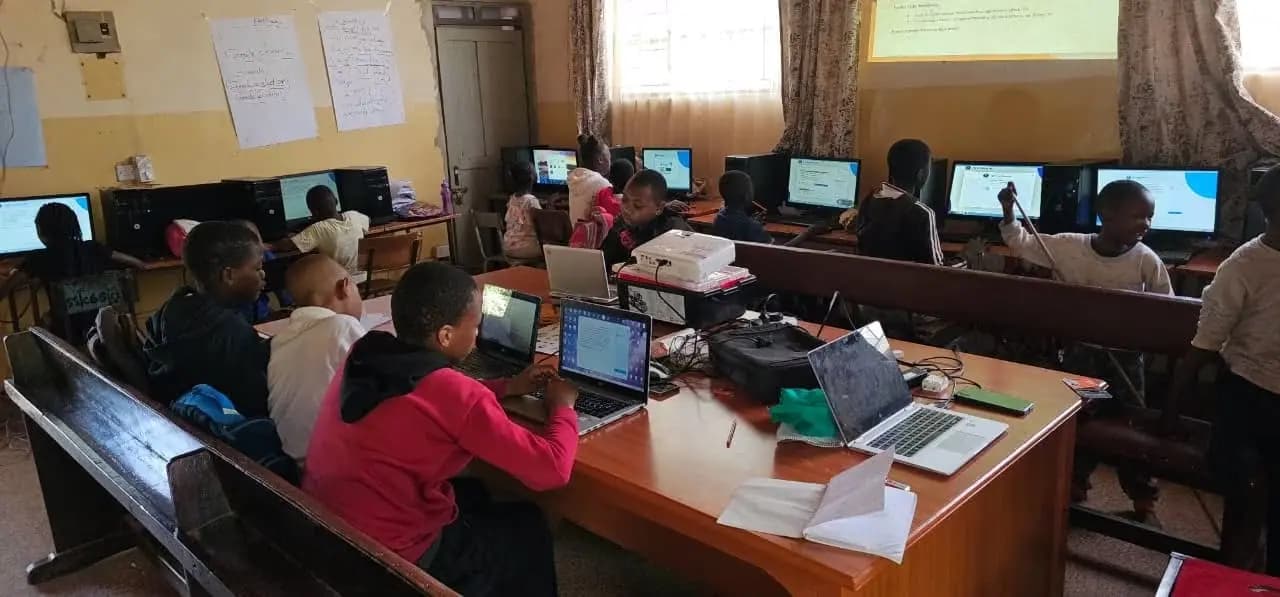
Who it is for: Ages 6–16, always tied to a robot
It involves
- Step order
- Loops and choices
- One mistake traced
- Text-style code for older students
Instructions with a result
Students write a sequence, run it on the robot, and deal with what the robot actually did.
A bug they can point at
From about age 9, they can show the instruction that caused the wrong move.
Reading before collecting languages
Older students trace a short program when the project needs it. The aim is control of their robot, not a language certificate.
The same course in every format
After school, a bootcamp, a school visit, and an online class use this sequence. There is no separate screen-only track.
The sequence we actually teach
Order
Younger students learn that the robot does step one, then step two, and that swapping them changes the result. That is the whole point of the first programs.
Repetition and choice
From about age 9, students add a loop and a condition: do this again, or do something else if a sensor is triggered. They should be able to point at the instruction that caused a mistake.
Reading a short program
Older students start to read text-style code when the project needs it. The aim is to trace a program, not to collect a language certificate.
Coding with a purpose
Learners develop programming skills by controlling something they have built. Each project connects instructions with visible results, helping students practise logical thinking, debugging and clear explanations. Admissions can explain the tools used by the current group.
Questions
Do you teach Scratch, Python, or web development as their own courses?+–
Those are common ladders at other coding schools. Here, coding is how a student controls a robot they built. A family that wants a pure software course after that will be told so plainly.
When does text-style code start?+–
When an older student’s project needs it, inside Robo Explorers. Younger students start with order, repetition, and choice.